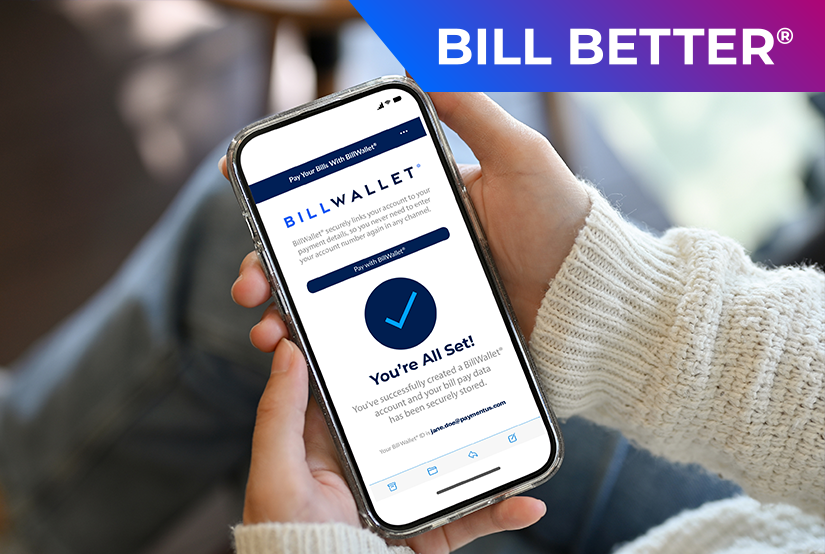
Customers Expect Relationships—Service Commerce Answers the Call
By Rob Eberly
VP, Paymentus
I recently had the pleasure of joining PYMNTS.com to discuss how the premium payment is becoming insurance’s most valuable touchpoint. While the article mainly focused on the insurance billing and payment experience, I feel that the main challenges and opportunities surrounding insurance billing and payments apply equally to nearly all verticals.
Here are three key takeaways.
Consumers Expect a Billing & Payments Experience That Mimics Retail Leaders
When I speak to service providers, one of the first things I like to remind them is that they can no longer solely compare their billing and payment experience to their peers. The everyday consumer increasingly compares billing and payment interactions—regardless of starting point, intent, or necessity—against those of product commerce giants like Amazon or Uber.
This is why a commitment to Service Commerce is so essential. The Service-Commerce model relies on strategically optimizing the end-to-end billing and payments experience. Where it differs from a legacy approach is that Service Commerce no longer treats a bill as a request for money. Instead, it is a touchpoint that offers convenience and value to obtain the most important item possible—longstanding trust and loyalty.
Think about your own experience when shopping on Amazon. It knows your purchase history, items you may be interested in, and your payment details. Amazon offers everything from one-click purchasing to subscription services. The eCommerce giant makes it simple to be loyal because it surrounds you with value at every turn.
Now consider paying one of your many monthly bills. Does it feel like Amazon knows you better than a service provider you’ve used for years? This is the benchmark against which we all must measure ourselves, because it’s the one today’s consumers are using.
The Customer Experience Now Begins in the Back Office
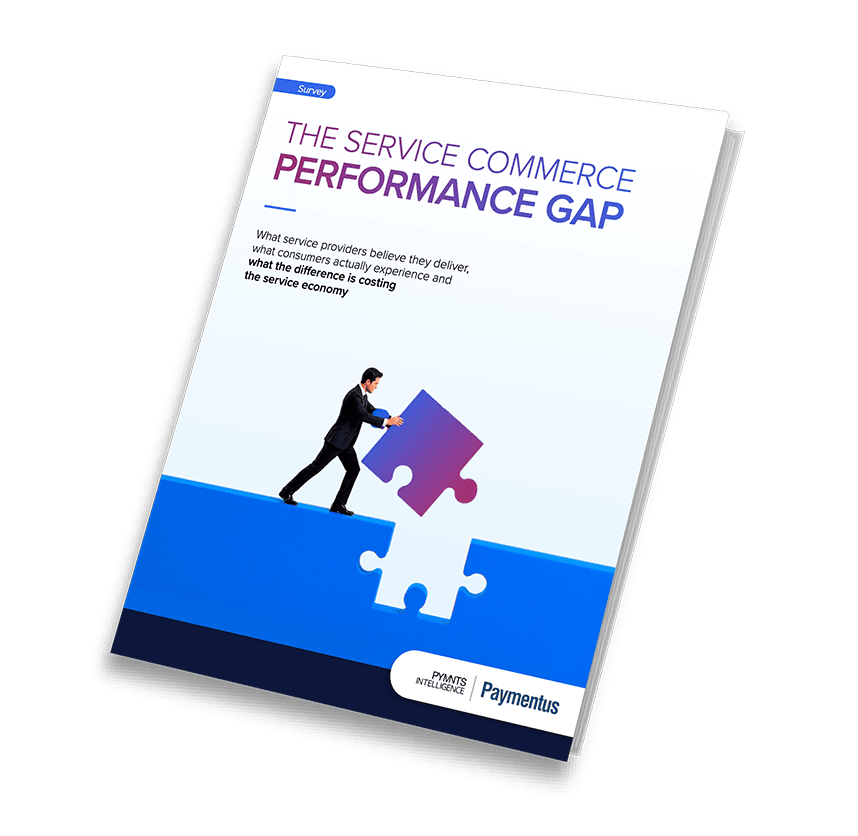
One of the largest areas of opportunity we see with prospects involves bringing the back office out of the shadows and into the limelight. When viewed in total, the back office is one of the most powerful revenue engines within any organization. As I told PYMNTS, acquisition, service delivery, customer support, billing, payments, troubleshooting, offers, and incentives all shape the customer relationship.
To maximize the potential here, service providers must seamlessly connect these capabilities in a way that is both purposeful and strategic. When providers invest in connecting the end-to-end experience, they reap a host of benefits, including:
- Greater use of cost-efficient, self-service offerings such as digital payments or chatbots
- Improved customer engagement that leads to increased satisfaction
- Reduced call volumes and costly in-person payments
Customers Must Be Served, Not Hamstrung
If there’s one thing that Amazon and Uber offer customers, it’s flexibility that allows them to choose their ideal path forward. Customers enjoy a wide variety of payment options—even so far as Amazon allowing them to make purchases using credit card rewards points through linked accounts.
If discretionary purchases can be made this way, why are non-discretionary bills treated so differently?
Paymentus has always prioritized end-customer needs, as exemplified by our full solution that offers more payment methods and channels than anyone else. This was done for one simple reason:
For many, cash is still king, chatbots are a first troubleshooting resort, text messaging is the ideal way to receive bills, and digital wallets are the new ACH. In short, customers want to create their own experience based on their preferences. This means offering true optionality, not a false choice between just two or three options.
The good news for service providers is that the technology needed to accomplish this change is far more nimble than legacy tech. Payments modernization can now keep pace with billing and payments behavior, enabling service providers to fulfill the promise of Service Commerce and leverage innovation for today, tomorrow, and 10 years down the road.
To read Rob’s full interview, visit pymnts.com. For more on how Service Commerce delivers value beyond billing and payments, read our latest article from Chris Trainor, Vice President of Growth and Strategic Partnerships.