Meeting the Billing & Payment Expectations of the Uber Eats Generation
Retail commerce is a world unlike any other. Brands are generally created in service to the demographics they wish to serve, which is why you have luxury brands, value brands, fine dining, fast food, athletic apparel, children’s ware, etc.
Retailers have the ability to almost self-select their customer base. The world of Service Commerce knows no such luxury. Service providers must work to accommodate 100% of those who avail themselves of their services, whether by choice or circumstance. For service providers, this means meeting the widest array of expectations, preferences, and needs within the world of commerce.
This point was driven home during a sneak peek at our upcoming survey report created in collaboration with PYMNTS. The report focuses on the Service Commerce gaps that are impacting the consumer experience, and ultimately, customer relationships. One of the most glaring takeaways, however, was not just the various gaps that were identified. In almost every instance, Gen Z was the least satisfied demographic.
Given the fact that this is the demographic with the longest bill-paying future, it is crucial to understand why the dissatisfaction exists and what can be done to quell it.
Who Are Gen Z Bill Payers?
There are many characteristics that define Gen Zers, those born between 1997 and 2012. The most relevant is that these are the world’s first digital natives. Recent estimates suggest that out of this population of roughly 70 million people, 98% own a smartphone and 95% use social media.
This is the demographic largely responsible for the rise in what is now known as the on-demand economy. Everything from taxi service to groceries has been transformed by this group. In fact, Gen Z is largely responsible for the merging of parallel on-demand services such as Uber Eats, which now brings together ridesharing and food delivery.
Market research reveals that more than 60% of Gen Zers use food delivery apps, favor hyper-connected, convenience-first experiences, and average spending more than $200 per month on delivery services.
A recent YouGov survey highlights the discrepancy further. According to their data, “nearly two in five Gen Z and Millennials order from (delivery apps) at least once per week. This number drops sharply to 21.5% among Gen X and to 10.0% among Baby Boomers.”
What do delivery apps and services such as utilities, insurance, or healthcare have to do with one another? More than you think.
Why Service Commerce Must Reflect the Demands of Customers
The wide satisfaction gaps between Gen Zers and Baby Boomers when it comes to the bill payment experience must be a point of focus for service providers—and it’s not just because Gen Zers have a long future of bill payments ahead of them.
First, Gen Z is the tipping point when it comes to digitization. While these digital natives may be accelerating the digital revolution, the generations that follow will have higher expectations for speed, convenience, and choice. Given the accelerated pace of technological change, being slow to react today will push many service providers into a situation where catching up is nearly impossible.
This is particularly important in sectors where customers do have choices, such as insurance, telecom, or healthcare. Unsurprisingly, Gen Z was the largest demographic that was willing to switch providers if given a choice due to a bad billing and payment experience.
Most striking? Gen Z consumers were frustrated with their bill payment experience at a rate three times higher than Baby Boomers. It should serve as a wake up call that those most familiar with digital experiences are the least happy. Much of this centers around friction within the experience. Are their expectations too high? Is your digital transformation actually hindering your billing and payments performance?
Yes, and no. Yes, in as much as authentication continues to be the highest point of abandonment in the payment process. No, in the fact that Gen Zers still want digital experiences—they just want them to be as simple and on-demand as Uber Eats.
What Solutions Can Address the Concerns of Gen Z Bill Payers
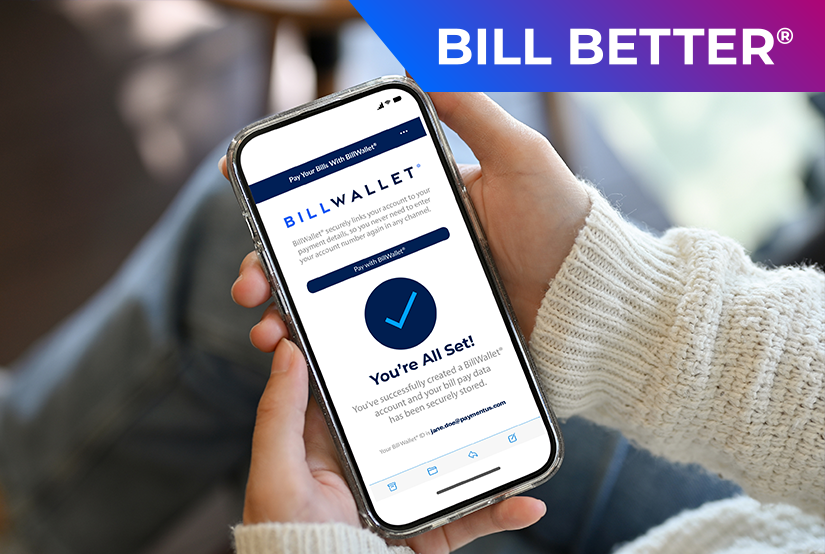
Let’s consider Uber Eats as the ideal solution for billing and payments. The application is not as far off as you may at first think, thanks to Paymentus’ proprietary BillWallet® solution. BillWallet is an AI-based solution that eliminates the “friction of forgetfulness” by delivering a fast-pass experience everywhere your customers pay.
At its core, BillWallet delivers the one thing Gen Zers crave: centralized convenience. Customers can add and pay a multitude of bills from one location, leveraging a single secure ID that functions seamlessly across all payment channels.
Crucially, BillWallet is designed for a mass customer base, not just the digital natives and savants. In fact, the simplicity makes it ideal for those who crave convenience without sacrificing their favorite payment methods.
Service providers already know that they cannot leave a single customer behind. Rising to this challenge doesn’t mean starting from scratch or replacing what works. It does mean seamlessly integrating varied capabilities that feel custom-built for every customer—regardless of age, financial situation, or payment preferences. For customers, it may not be as delicious as chips and guac delivered right to your door, but it will be just as appreciated.
Paymentus will soon be launching a first-ever performance gap study with PYMNTS featuring more than 2,500 consumers and hundreds of billers. Gain unique insights into the service opportunities and challenges facing many organizations, with actionable strategies on how service providers can improve performance to create closer customer relationships. The results are coming soon and we don’t want you to miss out. Contact us today to request your copy of the report.
Paymentus’ first-ever Service Commerce Performance Gap report, published in collaboration with PYMNTS Intelligence, is now available! Gain unique insights into the service opportunities and challenges facing many organizations, with actionable strategies on how service providers can improve performance to create closer customer relationships.